July 2026 – a bit o’ history
I’ve realised that I’m still posting a lot of stuff on what remains of my social media presence, but I really should make more of an effort to put it on here as well… possibly instead. Let’s see if I can rectify the situation. Not just going on about how amazing I am and what I’m working on, but other things which enter my head on the subject of records and the manufacture thereof. So…
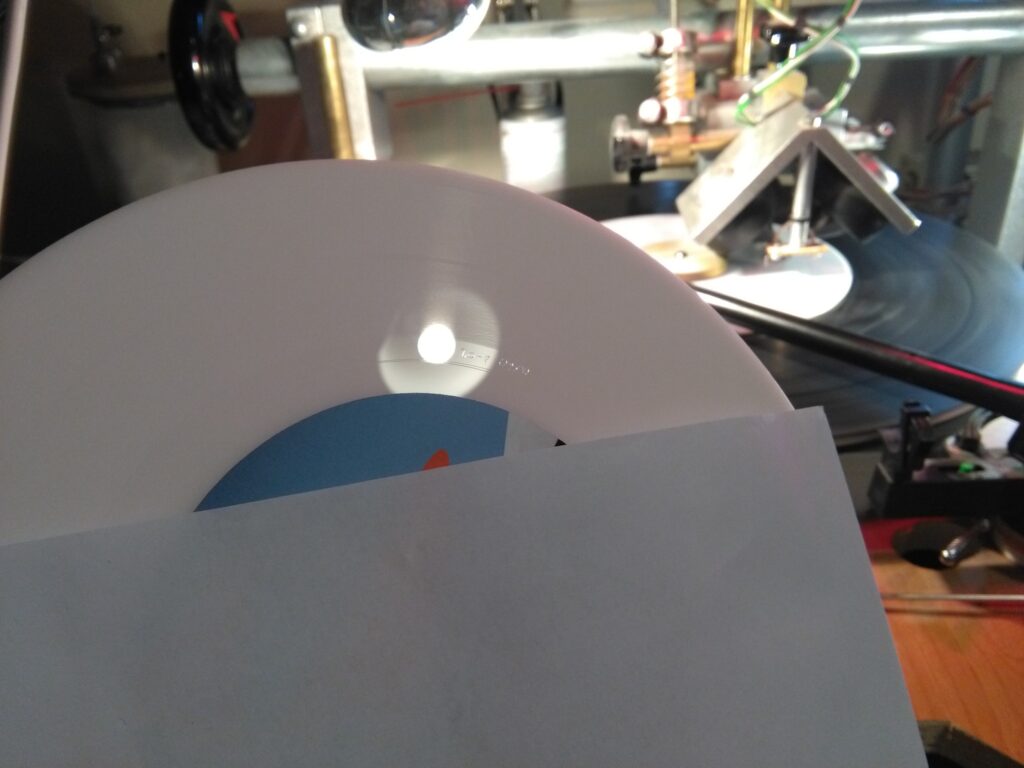
I’m currently cutting LPs. A *lot* of LPs. Sixty or seventy, in fact. Therefore, I find myself sitting here, listening for faults, waiting for track breaks/side ends, hoping the swarf doesn’t end up going everywhere unexpectedly… and not being able to do much else. So, I tend to go down internet rabbit holes, and sometimes write about what I find. Here’s an example.
Since I started doing this disc cutting business properly, I’ve become very interested – possibly too interested – in certain details of the records in my collection. Not just label variations and the like, which I’d been a bit obsessed with since I started buying up original issues of psych and progressive albums in the mid 1980s, but the actual cuts and the people who made them. Obviously, everyone’s probably heard of ‘Porky’, Harry T Moss, Doug Sax, Bob Ludwig, ‘Melys’, Hazel Yarwood and the like. However, my particular interest are discs that were cut by people who were (IMHO) closer to my current status in the field. They didn’t work for major labels in-house, or for the posher dedicated mastering/cutting operations, but were truly independent ‘cottage industries’.
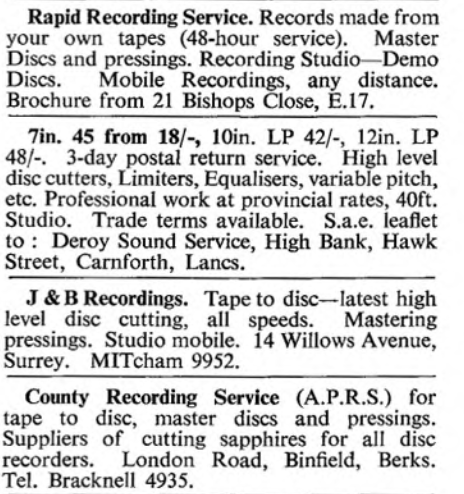
The most famous example might well be Percy Phillips, who recorded the Quarrymen acetate in 1958 in the front room of his Liverpool terrace, but there were a considerable number of other people from the late ‘40s to the mid ‘70s who (often after being demobbed) set themselves up with a cutting lathe in modest workspaces or their spare rooms, placed a classified advert in the back of a couple of magazines, and went into business cutting either directly to disc, or – as tape machines became more available and affordable – from customer-supplied ¼” reels. John Hassel. Deroy. Eroica. Lynsound. Rapid Recording.
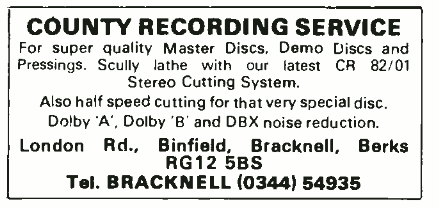
One such chap that I find particularly fascinating was John Martin, who ran an outfit called County Recording Services from his home in Binfield, Berkshire. From what I can gather, John had been in the watchmaking/repair game, but turned his micro-engineering skills to audio. By the late 1950s he’d established a tape-to-disc cutting operation in a shed at the bottom of his driveway, using a mono Presto cutter. Going forward to the late ‘60s, he’d acquired a Scully machine and was also starting to offer ‘short run’ pressings – usually 99 copies or less to avoid tax – using independent plants such as Lyntone and Orlake.
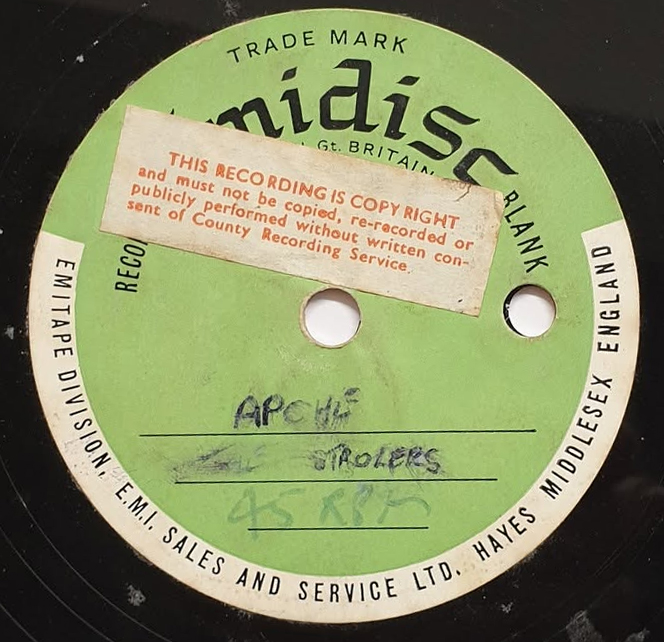
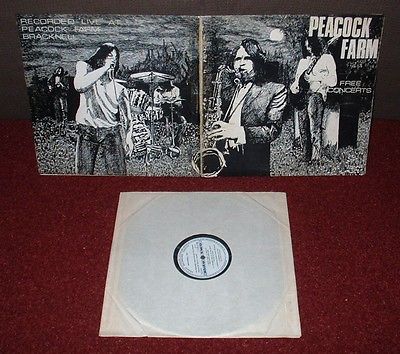
Some of these records now change hands for rather frightening sums, especially an 1969 LP by a local blues band called Levee Camp Moan, and a live album which was recorded at a mini-festival in the grounds of the farm that the band lived and rehearsed at. (It’s now a gastropub. Pfft.) County Recording Services were also responsible for cutting and pressing the very first record by the legendary and brilliant John Otway, five years before he came to national attention with ‘Cor Baby, That’s Really Free’ and the incident where he soundly squashed his nuts on a guitar amp during a BBC TV performance.
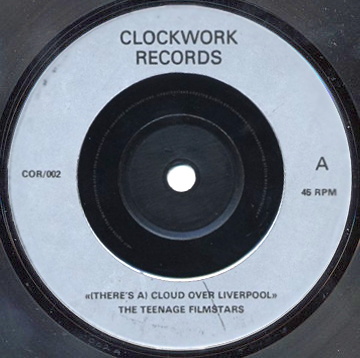
When the indie-industry as we know it today first got going with that Buzzcocks 7”, some of these small cutting outfits suddenly found themselves working with this rather direct new form of pop music made by bands who just wanted to make a statement and ‘bash it down’. John Martin had a fairly fruitful brush with the punk/post-punk/DIY scene, and was responsible for cutting many 7”s and the occasional LP for such bands between 1977 and 1981. Not only the minor-classic ‘I’m In Love With Margaret Thatcher’ by The Not-Sensibles, but also three interconnected masterpieces: ‘The Malcolm EP’ by O-Level, ‘There’s A Cloud Over Liverpool’ by Teenage Filmstars, and ‘Where’s Bill Grundy Now?’ by Television Personalities (which might possibly be my absolute favourite 7” piece of plastic in recorded history). ‘…Liverpool’ is nearly 6 minutes long, and it’s fairly obvious – looking at that rather skimpy run-out groove – that JM didn’t have the luxury of variable groove pitch. I know his pain. A few of these punk, DIY and heavy metal releases now fetch fairly eye-watering sums on the collectors market.
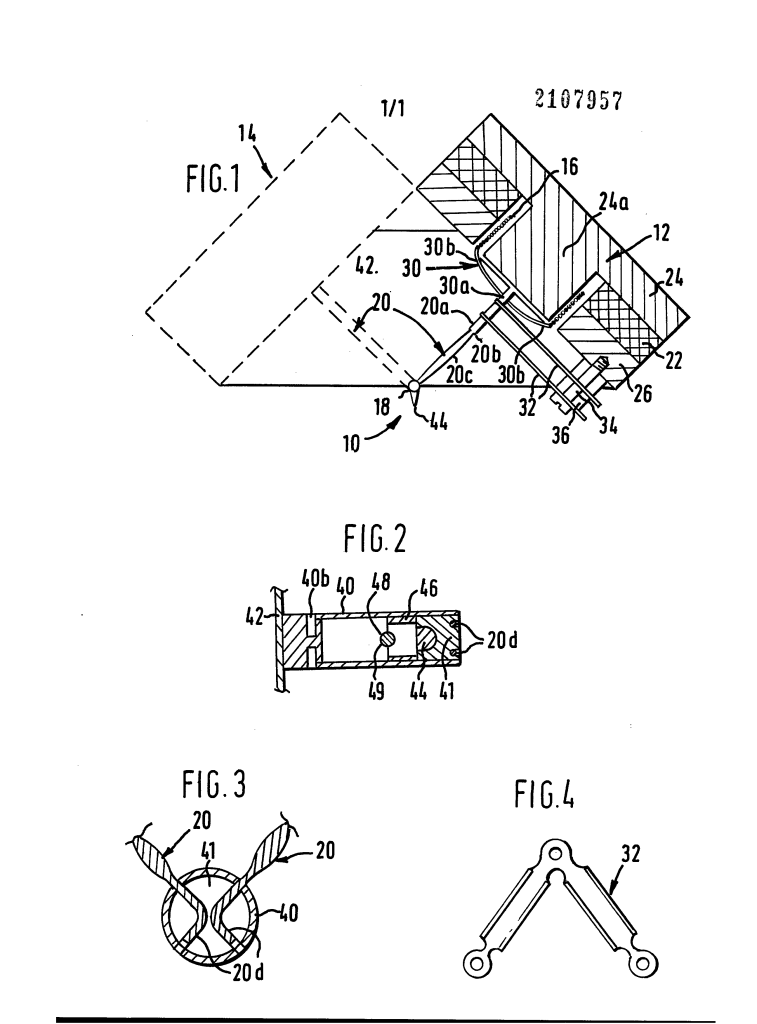
Up until the early ‘70s, the records cut at County seem to have all been resolutely mono. However, John Martin was actually developing his own stereo cutterhead, utilising his machining prowess, with help from his electronically-minded friend Eric Elliott, as well as offering cutting styli. A 1973 issue of Studio Sound magazine has a brief news item about the head, and it was proclaimed that it would be available soon. Unfortunately, this seems to have been a premature announcement. The prototype head was used on JM’s Scully, and one would assume that work on it continued throughout the 1970s – it was advertised for many years – however it seems that Eric Elliott passed away in the early ‘80s, just around the time that the head was deemed to be fully ready for marketing, and patents had been filed. Did any ever make it into use? Answers on a virtual postcard, please…
By the ‘80s, JM was advertising half speed mastering, full Dolby facilities and everything else that any sensible person could want. However the trail seems to go dead around 1985. One would assume he just retired, but it’s hard to tell. Maybe, with the building onslaught of the Compact Disc, the writing was on the wall anyway. It probably didn’t help that albums were regularly breaking 25 minutes per side, which an unmodified Scully would have struggled with, and cassettes were the general format of choice for personal vanity projects by now. Things change.
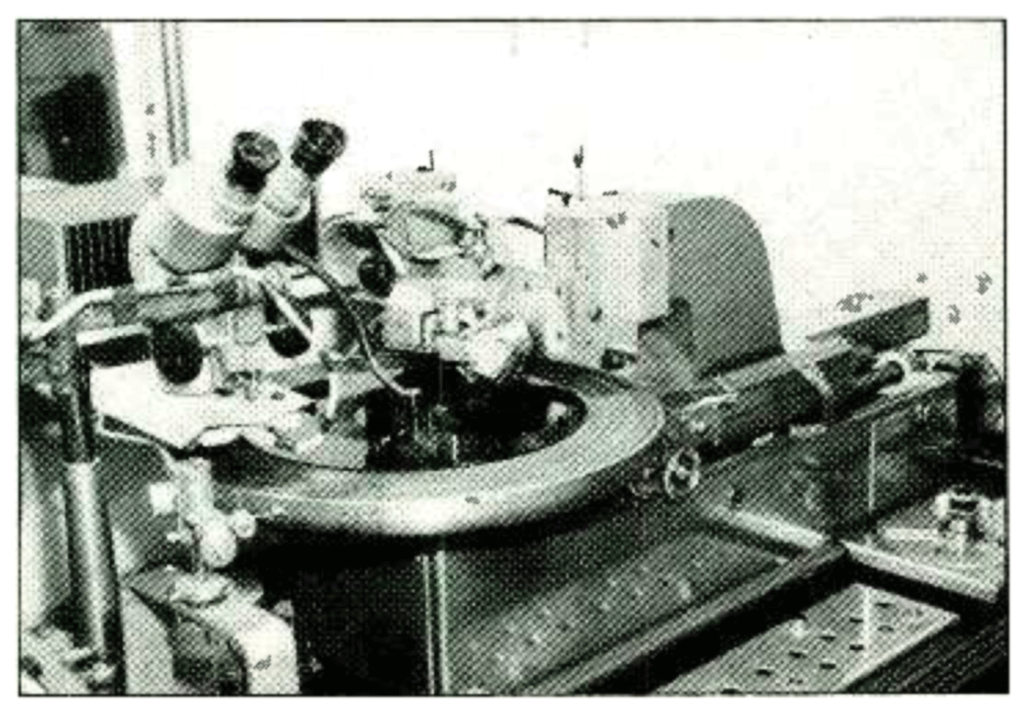
What happened to the shed and its contents? Who knows. A very fuzzy photo of a Scully from a 1982 issue of Studio Sound may well be all that’s left. It’s a familiar story. Nobody seems to have any links or clues to any remaining family, so all we’re really left with are some classified adverts and run-out etchings. It always comes back to the records, and particularly those with CRS stamped into the ‘deadwax’. Who’d have thought that in 2026, more people than ever (it seems) would be cutting phonograph discs in sheds & front rooms again? Funny old world. Here’s to the originals.